
Beyond Camouflage Pants and Shirts: Understanding Types of Camouflage Patterns
Posted by: Fatigues Army Navy Outdoor Gea on 2nd Sep 2026
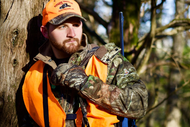
Sportsmen wear camouflage for a variety of reasons, pretty much all of which are related to concealment. Hunters wear it to stay hidden from prey; airsoft players and paintballers to stay concealed from their opponents. Some official operators wear camouflage for the same reasons: concealment and discretion.
But not all camouflage is the same. So if you’re here to pick out a pair of camouflage pants or a jacket, it behooves you to know a little about the different styles.
Early Patterns and Modern Takes
Before the modern era, many hunters wore plaid patterns like the red-and-black “buffalo check” or “buffalo plaid” that is today reminiscent of a bygone era.
But believe it or not, even relatively bright patterns like this helped to conceal hunters from some colorblind game. The red and black were not particularly noticeable to deer, and the plaid pattern helped break up a hunter’s outline, but the colors remained surprisingly bright and visible to other hunters, aiding in safety. Even today, some camo-orange patterns are brightly colored but have complex macros that contain twigs, branches and leaves. These break up a hunter’s outline and are difficult for some game, like deer, to see, but are visible to other hunters.
In the Second World War, militaries around the world developed some camouflage patterns like flecktarn and splittertarnmuster, which were designed primarily to break up a wearer’s outline while roughly matching the colors of the backdrop.
It wasn’t until many years later, that sporting patterns like “stick and leaf” camouflage became available to hunters in the 1980s. Another relatively early pattern was Mossy Oak Bottomland, which is still popular today. Though it looks roughly like plain tree bark, this pattern is marvelously effective at disrupting a wearer’s outline, especially in woods and swamps, against a predominantly brown or dark green backdrop.
As these early patterns evolved, camouflage patterns proliferated and became much more complex and more effective at breaking up a hunter’s outline.
Today, modern patterns fall chiefly into one of three types, but first, to understand how and why they are effective, we need to understand two important concepts: signal and noise.
Signal to Noise
Signal is relevant data that your senses can detect in an environment, from which meaningful decisions can be made. Noise is irrelevant environmental data that competes with signal for the attention of our senses.
The more noise there is, the harder it is to detect the signals in an environment that are needed to make important tactical decisions.
Therefore, the fundament of camouflage is to increase the noise and diminish the signal. Using a color palette and a series of repeating major patterns (macros, or large elements) and minor patterns (micros, or small elements) camouflage disrupts a wearer’s outline and helps him or her better match the general color of the backdrop.
Traditional Camouflage
Traditional camouflage, like flecktarn, US Woodland, and Tiger Stripe camo, relies primarily on earthy color palettes consisting of light and dark browns and light and dark greens, along with natural macros and micros, such as splatters and streaks, to break up a wearer’s outline and help him or her appear as though he or she were a part of the backdrop.
Some but not all traditional patterns use macros and macros that reflect the appearance of leaves, trees or rocks, to the same effect.
3D or Leafy Camo
Most modern camouflage patterns, developed and designed for hunters, are considered 3D or leafy camo, but the latter term should be reserved because some 3D camouflage patterns, like those developed by Kryptek, don’t generally have identifiable macros or micros that look like leaves.
Either way, many Mossy Oak and Realtree camouflage patterns can be considered 3D or leafy camouflage patterns. These contain recognizable visual elements like leaves, twigs, grass, sticks, rocks, or even clods of snow, among other noticeable natural objects, that help the wearer blend in.
Some other types of camouflage that fall under this category, though they are distinctly different are truly 3D patterns that contain fake leaves or grass that protrude from the garment, such as in the case of a ghillie suit, which literally breaks up the wearer’s outline because it physically alters it.
Digital Camo
Digital camo was developed primarily for military use and departs from the tradition of capturing recognizable visual elements in the macros and micros. Instead, it uses distorted and pixelated patterns (hence the name) in a suitable color palette to enable the wearer to blend into the backdrop while simultaneously breaking up his or her outline.
Some argue that digital camo patterns can be highly effective at concealing a wearer’s movement, which can be helpful in concealing military maneuvers.
These patterns however are by and large not particularly popular among hunters, though they enjoy some popularity among airsoft players and paintballers.
Choosing the Right Camouflage Pattern
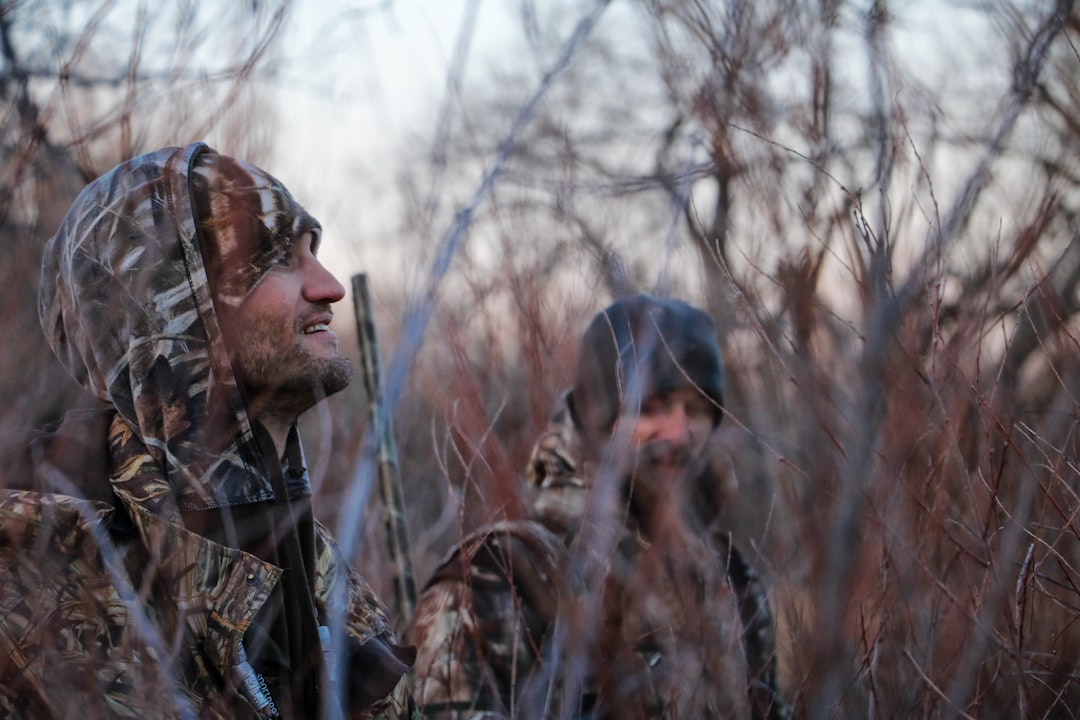
Choosing the right camouflage pattern will require you to consider a few different things. What you will be doing and what your environment will be like are two of the most important of these.
For instance, some game animals, like deer, don’t see reds and oranges well. The color palette is not as important here as it is to break up your outline.
Other game, like waterfowl and turkeys, have extremely acute vision and can detect even the most insignificant anomalies in an environment. Here it is critical that you choose a camouflage pattern that matches the color palette of the backdrop, and one that has macros and micros that reflect the environment as well.
At the end of the day, more than one camouflage pattern can be effective in more than one setting or environment. You just need to be conscientious about your choice of pattern so that you’re prepared.
Here for Camouflage Pants or Gear?
Hopefully you found this point insightful, but if you’re here for camouflage pants, shirts, jackets, or field gear, we can help you out. Check out our collections and get in touch with us if you have any questions and we’ll do our best to assist.