
Caring for a Vintage Vietnam Jacket
Posted by: Fatigues Army Navy Outdoor Gea on 3rd Jul 2026
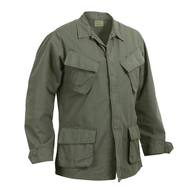
Say you have a vintage Vietnam jacket like an M-65 field shirt, or some other military surplus coat along the same lines.
These may be tough military surplus items that have a long history of hard use in the field, even under unforgiving conditions, but all the same, they will last you much longer, and much more faithfully, if you care for them properly.
This short post should help with that.
When to Clean a Vintage Vietnam Jacket
Field jackets such as M-65 jackets should only be washed when necessary. Washing wears out the fabric and moreover reduces its resistance to moisture and to the elements.
Nonetheless, here are some signs that it’s time to wash your vintage Vietnam jacket:
- If the jacket presents obvious odors.
- If there is visible soil on the surface of the jacket, or inside.
- There is a visible accumulation of body oil on the cuffs or around the neck.
- The jacket has been exposed to smoke or mud or dust or some other debris.
If your jacket presents any of these conditions, your best course of action is to actively clean it so that you can restore it to its original state.
How to Do It
First, if your jacket has a liner or a hood, remove both before you attempt to clean the jacket. If these must be cleaned as well they should be cleaned separately anyway.
Whatever zippers, snaps or buttons the jacket in question has, close or secure all of them before washing, as you don’t want the closures to be damaged during the process.
The best way to wash a vintage Vietnam jacket is to do so using a spot treatment. You can use cool or warm water and a sponge or rag along with a mild detergent to spot treat most stains. This will address some issues without damaging the rest of the jacket’s shell or liner. Plus, it helps you keep to the maxim to wash your jacket as infrequently as is reasonable.
Now, there will be times when you will actually need to wash the whole jacket, but if you are going to machine wash the jacket you should be very careful. Never wash or rinse it on a hot cycle. You should run a cool or at most a warm cycle. Only mild detergents should be used, and sparingly at that.
Avoid the use of bleach and other harsh detergents, no matter how soiled the jacket is, as these cleaning agents will do much more harm to the material of your jacket, cotton or synthetic, and soil will. Avoid fabric softeners as well.
Run a gentle cycle, even if the jacket is very dirty. You can always run it through a few more gentle cycles, but you can’t undo a rough wash once you’re already done it.
Also, as far as drying is concerned, the best thing you can do with a vintage Vietnam jacket is to air dry it. To do so you can either hang it to dry in a cool, shaded place with plenty of airflow and with dry air. Alternatively, you can lay it flat to dry. Though this will take longer, laying a garment flat to dry it doesn’t stress the seams, helps prevent garment distortion, and will help prevent wrinkling and creasing as well.
If you are going to hang a vintage jacket to dry, do so in a cool, dry area out of direct sunlight, and away from sources of intense heat, like heaters, radiators, stoves and dryers. While it might seem like these can accelerate the process, they can also stress or damage the fabric.
You should also make sure to hang the jacket on a sturdy hanger that can support its weight so as not to damage the jacket.
Maybe It Doesn’t Need to Be Washed, You Just Need to Retouch the DWR Finish
Some vintage Vietnam jackets sport DWR, or durable water-repellent finishes. Often, these can be restored with a wash-in treatment, but nonetheless, you still need to know what to look for.
The big symptom is a jacket that seems or feels damp when you wear it outside in wet weather. “Wetting out” along the seams is another big sign that a jacket’s DWR needs to be restored. Also, if the fabric darkens in the rain, even if you don’t get wet while wearing it, you will need to re-treat the finish sooner rather than later.
Other Tips
In addition to keeping your jacket clean and being aware of when the DWR will need to be restored, here are some other tips for basic care for and maintenance of a vintage Vietnam jacket:
- Catch minor damage early, before it becomes a bigger problem. Look for tears, rips and signs of wear in high-traffic areas such as at the elbows and knees, and along seams.
- Catch and address loose buttons before they pop off.
- Make repairs with patches from inside the garment, rather than the outside, where possible.
- Lubricate zippers with mineral oil or a bit of paraffin wax to keep them zipping smoothly.
- Hang the jacket rather than folding it to keep the garment in better shape, and make sure you use an appropriate hanger for the job.
- Store the jacket in a cool, dry place.
- Never store the jacket, or its liner, if it has one, if either of them is anything but completely dry. Even a little dampness can cause mold, mildew, and bad odors to set in.
- If your vintage Vietnam jacket has a liner and it must be washed, wash it separately from the jacket.
Here for a New Vintage Vietnam Jacket or Some Other Military Surplus?
In the event you landed here not because you need to know how to care for military surplus jackets and field gear but because you want a new one, you are in the right place. Check out our collection of vintage Vietnam jackets and get in touch with us directly if you have any questions about anything we sell.