Loading a Military Duffle Bag (and What to Carry in It)
Posted by: Fatigues Army Navy Outdoor Gea on 30th Oct 2026
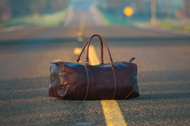
If you’re in the market for a military duffle bag, vintage can be a great option, as can a modern MOLLE option that has PALS webbing for expanding the pack with attachments.
But what you should carry in a sort of bug-out bag or trunk pack, as well as how you pack it, are critical to preparedness. Your prepper supplies won’t be of much use to you if you don’t have them, don’t know where they are, or pack them in such a fashion that you can’t access them when you need them.
On that note, here’s how to pack a military duffle bag as well as a few indispensable items you should be carrying.
What to Pack in a Military Duffle Bag
First, let’s make sure that, in the first place, you’re carrying things that you should have on hand in your military duffle bag.
- Warm clothing. A wool shirt, some heavier pants, some wool socks and at least one jacket, though they will take up a lot of room in the duffle bag, are well worth it.
- Something waterproof. Either a poncho or a rain jacket is a must. A whole rain suit is better.
- Spare socks and t-shirts. Socks get wet, and t-shirts get dirty. You should have a few spare pairs of both of these.
- A shemagh scarf. A shemagh scarf has 101 uses. We’ve covered some of these in our blog before.
- Basic first aid essentials. This includes but is not limited to bandages, medical tape, topical disinfectant, itch relief, OTC painkillers, tweezers, disposable gloves, and gauze. Most commercial first aid kits will have as much.
- Rubbing alcohol or vodka. Rubbing alcohol and vodka can be used as a topical disinfectant and depending on the proof can be used as a fire accelerant or even as a stove fuel.
- A lighter, matches, or a fire starter. You should have multiple redundant methods for starting a fire packed in your vintage military duffle bag.
- Sunglasses. Sunglasses don’t just improve your comfort outdoors, they protect your eyes.
- Gloves. Gloves can keep your hands warm and protect them when you’re doing manual labor.
- Some basic tools. Think a knife, hatchet, saw, and shovel, to name just a few. Entrenching tools can also be highly practical in the field and have lots of uses.
- A flashlight and batteries. You need to be able to see in the dark. Don’t be without at least one flashlight.
- A pen and notebook. If it’s worth remembering, it’s worth writing down.
- A compass. This will help you orient yourself if you have to bug-out instead of bug-in.
- Some money. You never know when you might need a little bit of spare cash.
- Dry foods. Nuts, trail mix, crackers, and other similar foods that are shelf stable can help sustain you on the trail.
- Water and a tin canteen. Tin is better than plastic because it can be applied to heat without melting.
- Salt. Salt makes food taste better and it has other uses, not just as a preservative but as a disinfectant.
- Duct tape or medical tape (preferably both). Both of these can be used for making quick fixes to gear, clothing and more.
- Vaseline or chapstick. Whether for personal relief, as a lubricant, or as a fire starter, both of these have a lot of improvisational uses.
- Candles. These are good as a light in the dark if your flashlight batteries ever die.
- A mess kit or at least one pot or pan. These are indispensable for cooking when you need to set up a makeshift camp or kitchen.
- Some cordage. Cordage has innumerable uses; always carry at least a little in your bug out bag.
How to Pack a Military Duffle Bag
Here are some high level notes for how to pack a military duffle bag, vintage or modern. The basic protocol is the same.
- Heavy items at the bottom of the pack. Packing heavy and bulky items at the bottom of the duffle bag will ensure it is properly balanced, easier to carry (since the weight will be concentrated at the bottom), and also will prevent larger items from crushing or obstructing access to your other gear.
- Midweight or lightweight items in the middle. Midweight and smaller items can be packed in the middle of the bag where they will be relatively easy to access, and help balance out the load.
- Lighter items, fragile items and necessities at the top. Anything small that’s easy to lose, or lighter and more fragile, is better packed at the top of the duffle where it will be easier to access. Personal effects, EDC gear, money, maps, compasses, and other smaller items like these should be at the top of the pack.

Expanding with MOLLE Attachments
If you have a modern military duffle bag with a MOLLE system and PALS webbing, you can expand the pack with MOLLE accessories and attachments.
- Add some MOLLE packs or dump pouches to the exterior. You can expand a modern MOLLE-compatible duffle back with dump pouches and bags by attaching them right to the outside of the pack. This will give you the flexibility to attach your mission critical gear to the outside of the pack, reserving the entire interior for larger, bulkier items.
- Clip EDC gear right to the webbing on the outside of the duffle bag. If you have any gear with a pocket clip, such as a pen, a flashlight, a knife, a multi-tool, or anything else like that, you can clip it directly to the PALS webbing where it will be even more visible and easier to access than even if it were packed in the top of the bag.
Need for a Military Duffle Bag? Vintage and and Modern MOLLE Bags Are Here
If you’re here for a military duffle bag, vintage or otherwise, you can get what you’re looking for here. Check out our collection and if you have any questions about anything we sell, get in touch with us and we will be more than happy to help.