
About the 5 “P’s” of Emergency Preparedness
Posted by: Fatigues Army Navy Outdoor Gea on 11th Jun 2026
Everyone has an opinion on emergency preparedness and what it takes to be truly ready for the unknown. Part of the reason for this variety in opinion and perspective has to do with that very element; we’re preparing for the unknown here. What it takes to survive being snowed in for a month is necessarily different from what it takes to survive an urban environment in which law and order break down.
Regardless, one philosophy posits that there are five “P’s” of preparedness, which, though general, will help ensure that you are more or less better prepared for the contingencies of the unknown than you’d be otherwise.
So, let’s take a closer look at what they are, from planning to prepper supplies to maintaining your peace of mind.
Planning
The first “P” of emergency preparedness is planning. This is the first step to ensuring that you are not overwhelmed and have a pre-thought out course of action if you ever find yourself in an SHTF situation.
Identify your strengths and weaknesses; where you find weaknesses, rectify them with training or appropriate prepper supplies.
Enumerate potential emergency situations, some of which are listed here:
- Drought or severe weather conditions.
- Natural disasters.
- Food shortages.
- Breakdown of law and order, loss of access to emergency services.
- Medical emergencies.
- Rolling blackouts or loss of access to utilities, including communications.
- Epidemics.
These are only a few of the many emergencies that could befall an area or a smaller community, but starting with identification can help you create a plan to ensure you survive. From here, you can plan for:
- Communication or rendezvous with loved ones.
- Potential evacuation routes.
- A list of prepper supplies that you’ll need.
This brings us to our next “P” of emergency preparedness.
Prepper Supplies
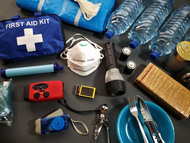
After you have a basic plan formulated, you can turn your attention to prepper supplies. At the absolute minimum, what you gather should be able to sustain you, and anyone with you, for 72 hours.
Lists of prepper supplies will also vary, but here are some important, high-level must-haves:
- Water
- Non-perishable food or MREs
- Prescription medications
- Over-the-counter medicine and first aid supplies
- Flashlights
- Batteries
- Multitools, knives, and other basic tools
- Clothing, blankets, etc
- Footwear
- Personal hygiene items
- IDs and other important documents
- Cash
For a more comprehensive checklist, see our previous post, 30+ Critical Prepper Supplies (We Have Them!).
Prepare the Environment
Once you have a basic plan and the prepper supplies to help get you through, you need to “prepare” the environment, which is the next “P”, and critical if you are going to “bug in” rather than evacuate (bug out).
Largely this means that you need to make sure the environment you intend to occupy is safe; secure heavy furniture and make sure locks are in order; install smoke detectors and fire extinguishers if necessary. Install emergency lighting if it is needed, and make sure that critical prepper supplies, tools, and anything you need for personal defense is easily accessible within the home.
Practice
The fourth “P” stands for practice and is an admonition that no plan is worth much if you aren’t ready when the time comes.
Regular training will constitute the entire difference between you and your family keeping calm during a crisis, or giving into panic, which can be extremely dangerous.
Make sure you and your entire family knows the plan in case of a fire or other emergency, and knows where critical prepper supplies are. Where possible, drill so that you all can practice what you actually need to do in the event of an emergency.
(Keep) Peace of Mind
The final “P” of emergency preparedness is one of the most important of them, and it stresses the importance of keeping your peace of mind. Mental preparation is just as important as physical preparation, and with the wrong mindset, or in the presence of too much stress, even the best laid plans can go wrong.
Here are some tips to keep calm and preserve your peace of mind:
- Limit your exposure to distressing stimuli.
- Practice mindfulness activities every day or at least give yourself time to disconnect.
- Keep lines of communication open with those whom you are in close contact during emergencies. A support group is critical to survival.
Armed with these tips, you should strive to keep yourself collected and in control of your mindset and mental health during prolonged periods of stress.
Stock Up on Prepper Supplies Here
Now you know the five “P’s” of emergency preparedness; make sure you put them into practice. They will help you if the chips are ever down and you remember them.
And while you’re here, stock up on prepper supplies so you’ll be ready if you ever find yourself in a situation in which you need to provide for yourself or others.